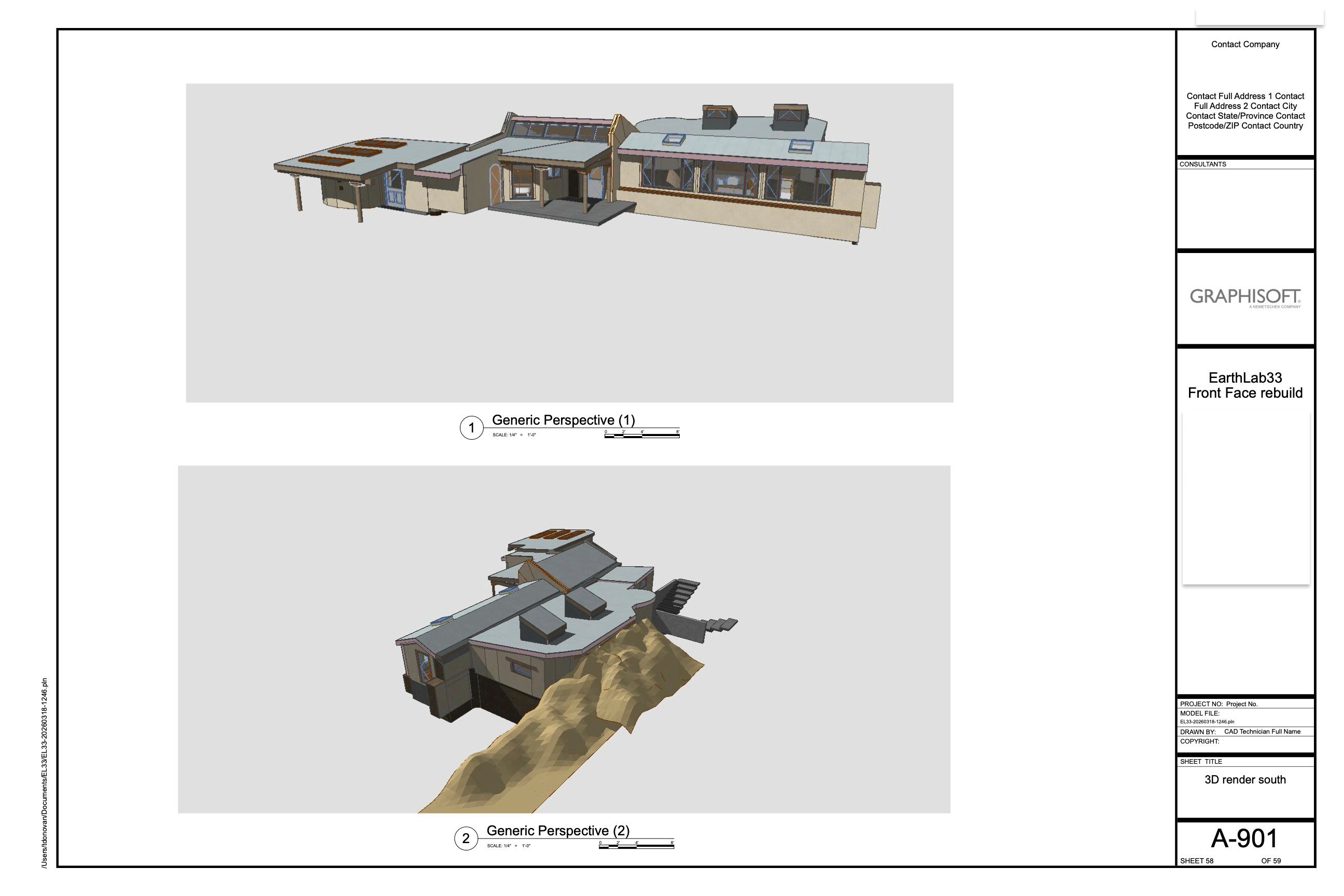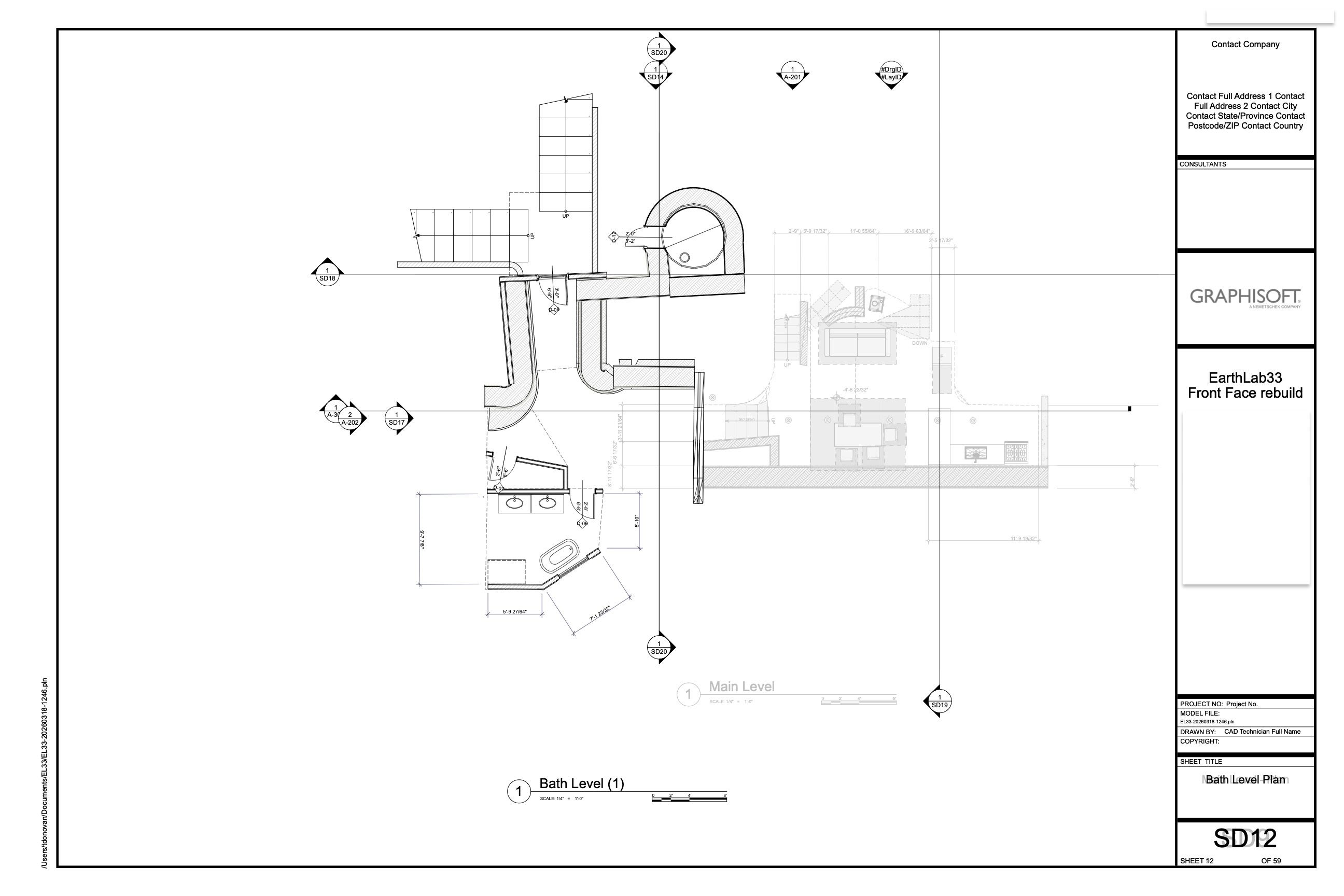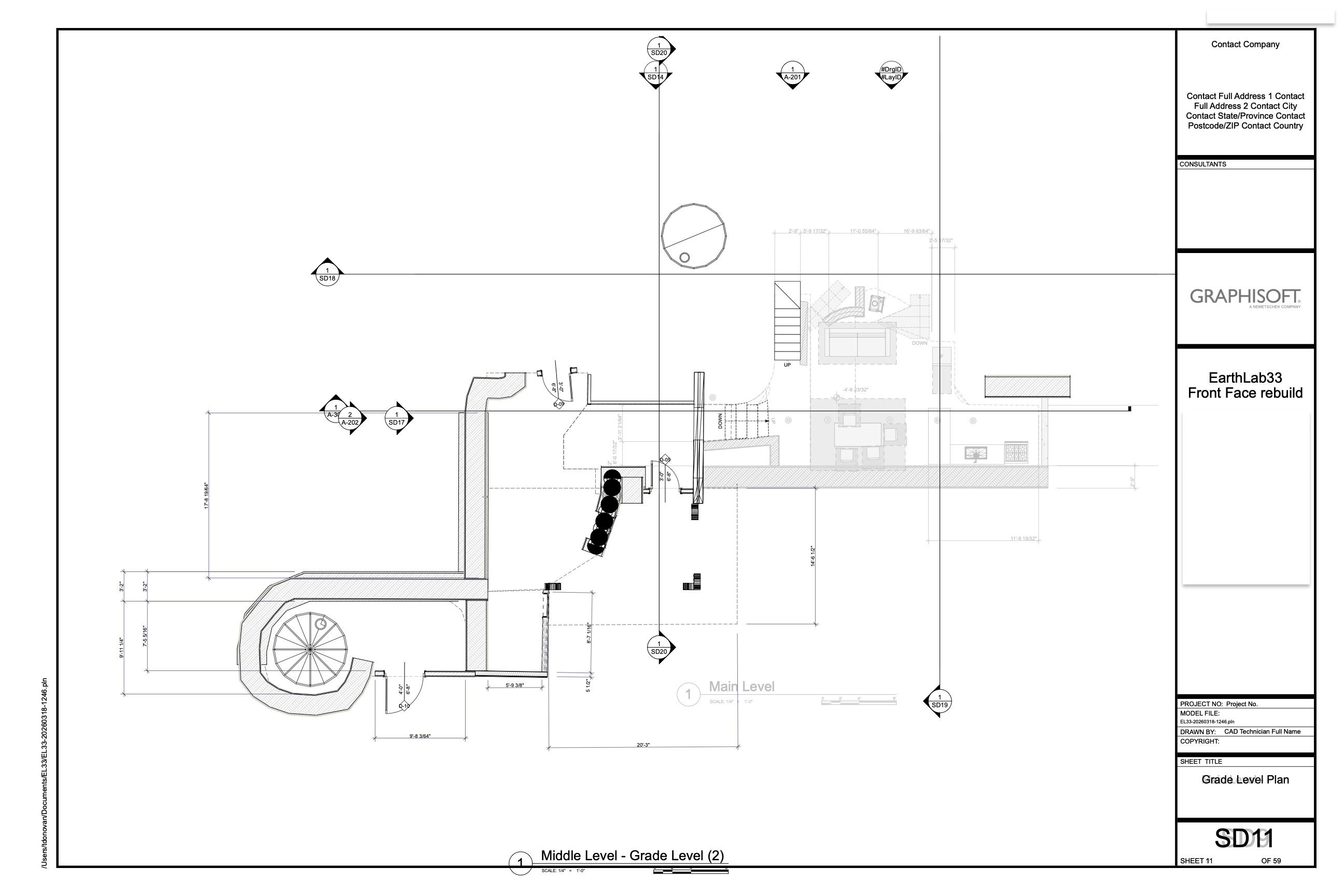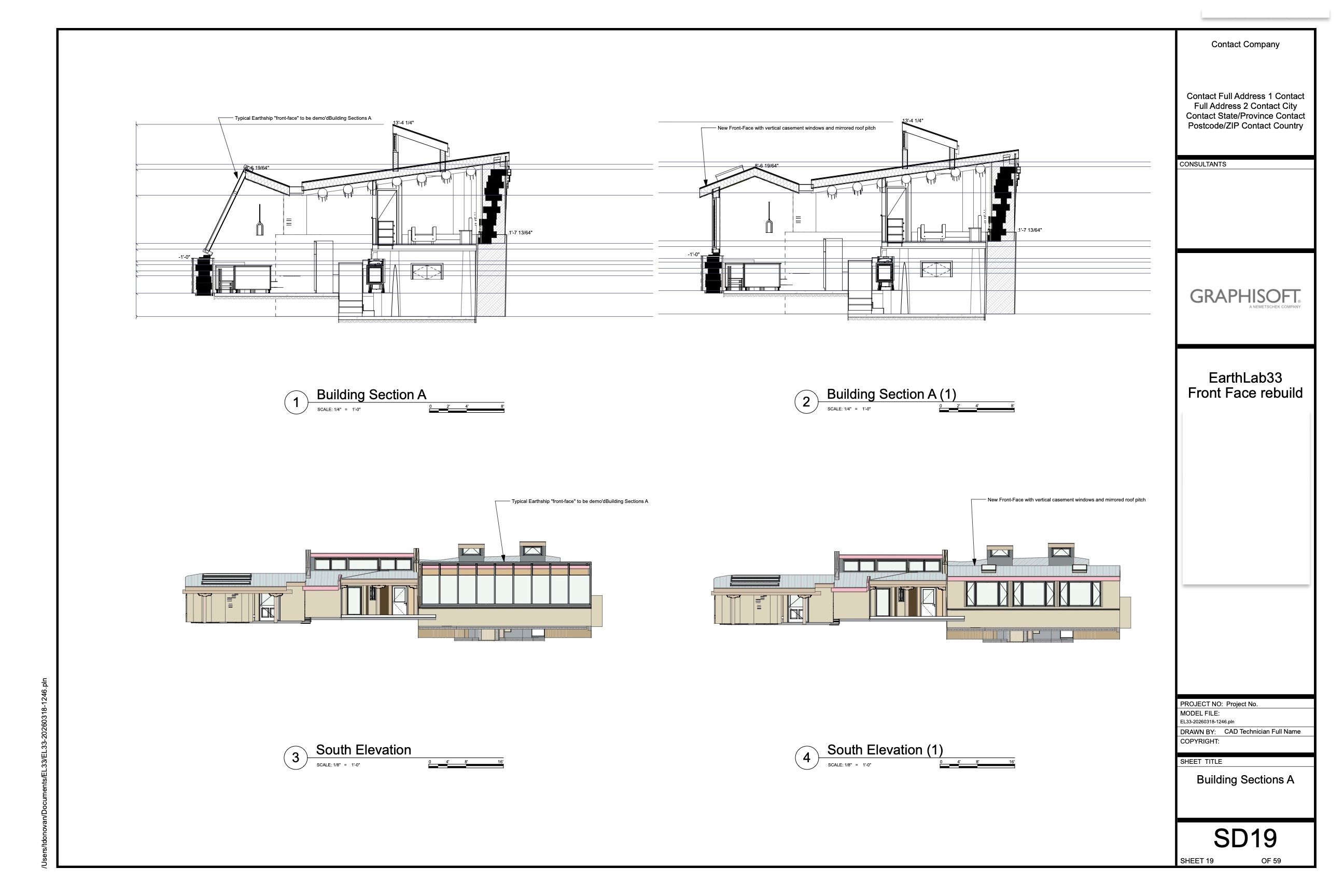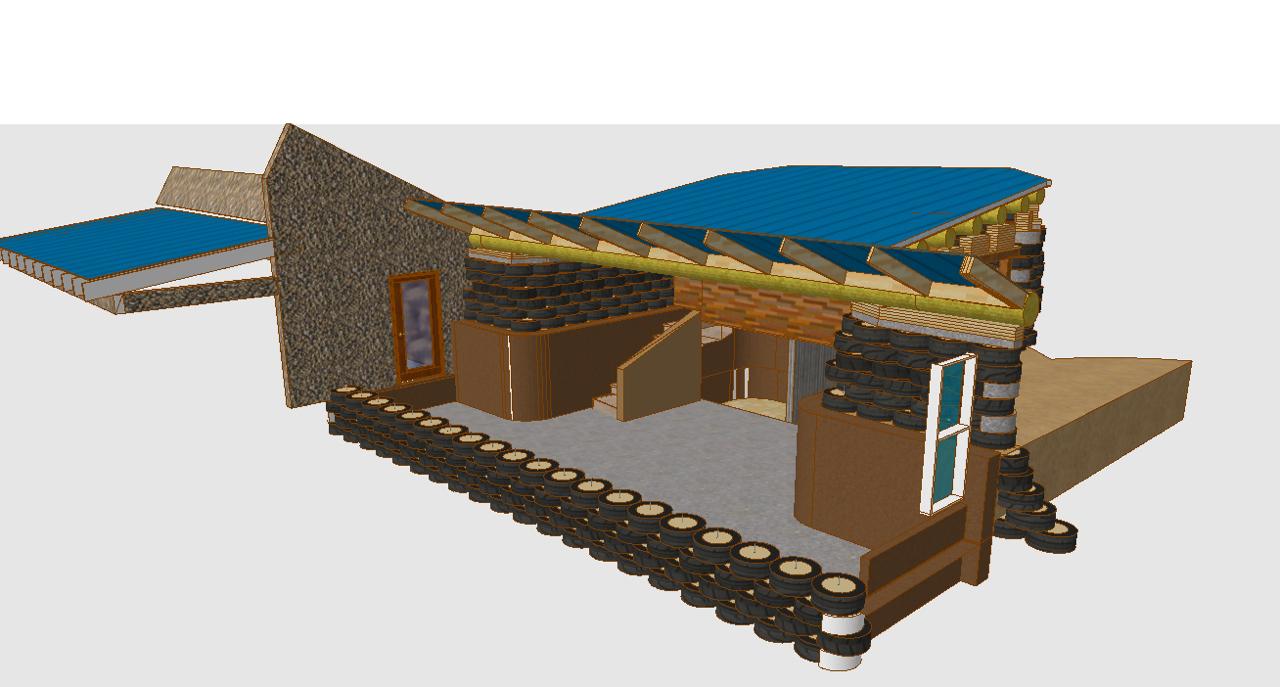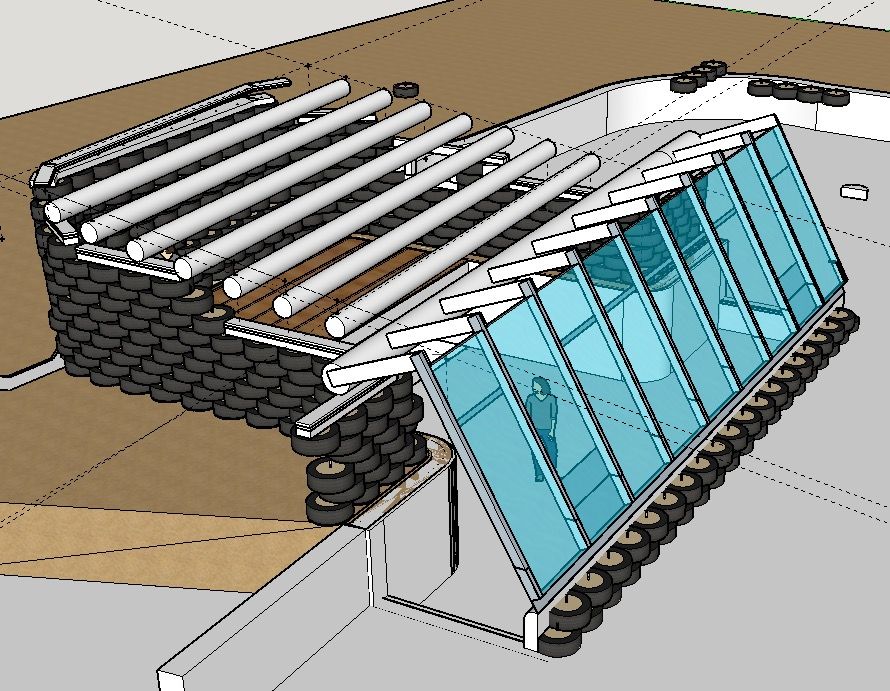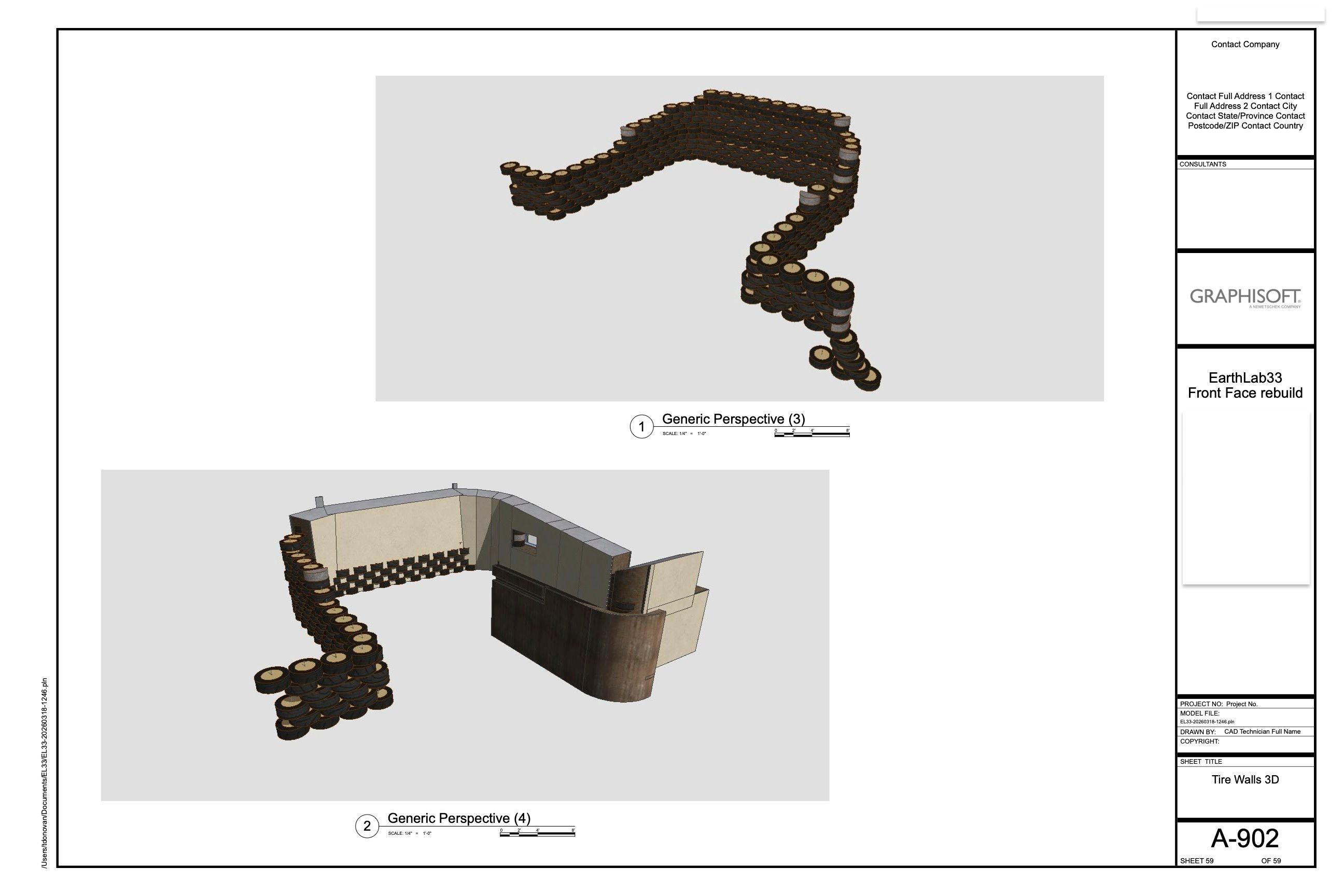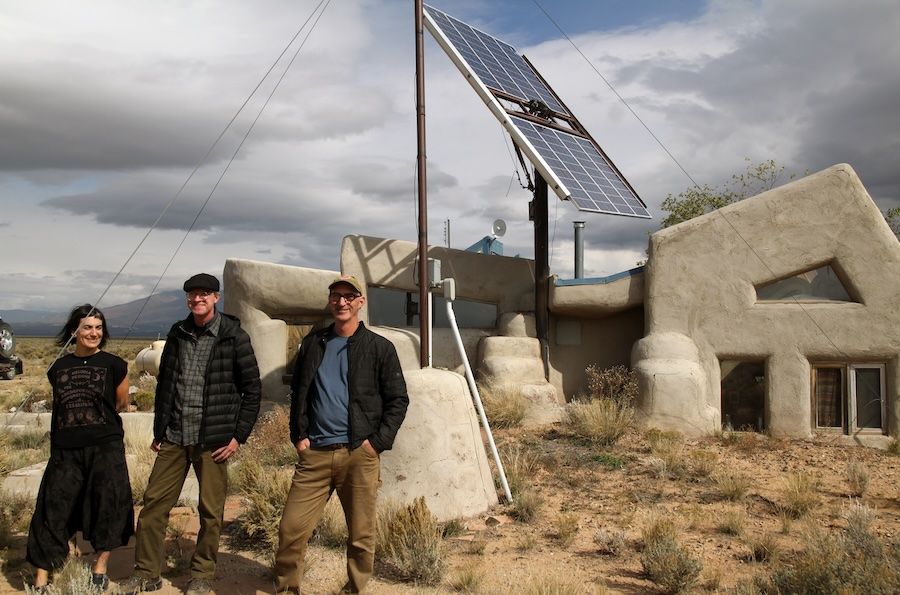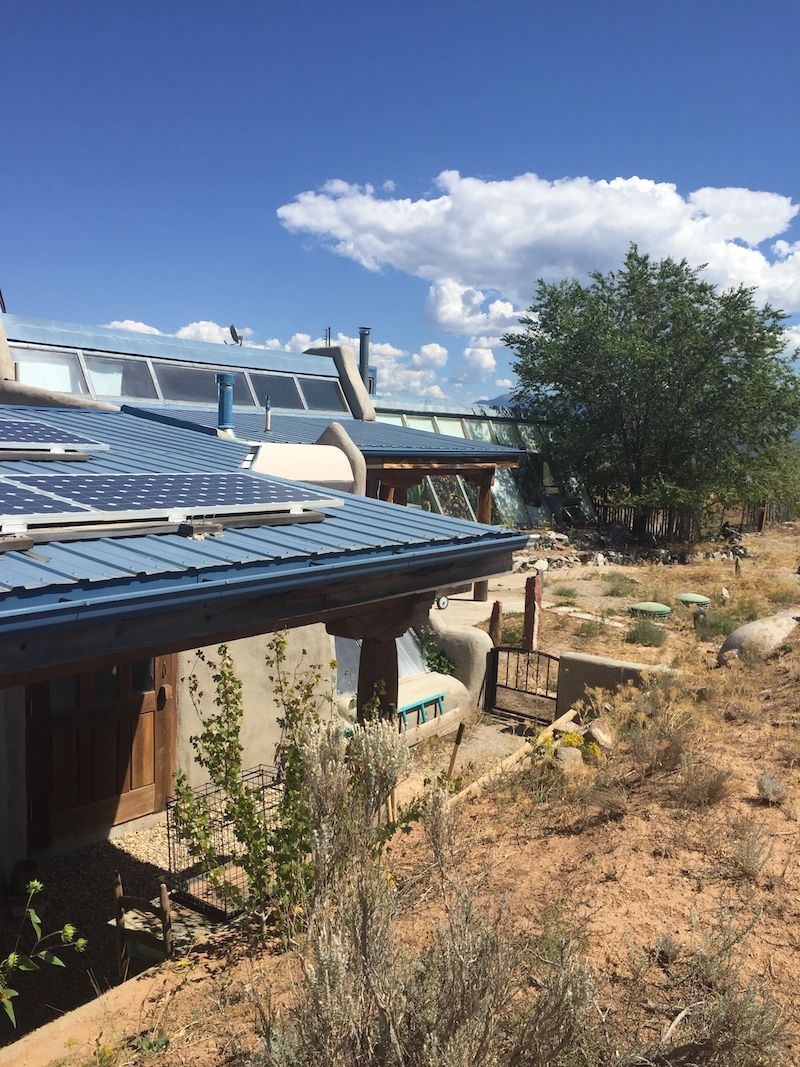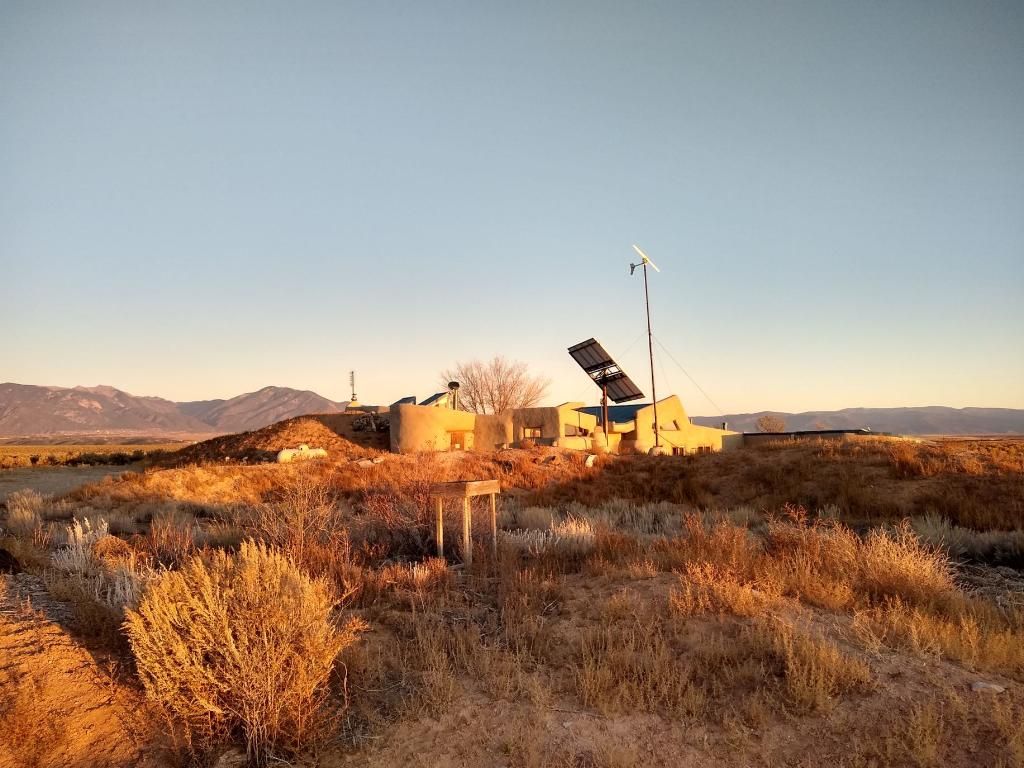
Earthlab33 originated as the result of a decision I made to find a home base that also could be a laboratory for researching net-zero housing, solar energy, passive solar design, and generally living better through sustainable architecture.
My partner Nadine and I had been home-hunting for perhaps a year, and at one point, I was inspired by some news of Greta Thunberg shouting at old men at one of the COP climate meetings, I believe, that “nobody is doing anything!”
I decided to look up any for-sale Earthships, because I’d been interested in them for a while, and inspired one of my friends to go out to Taos and check them out, and she did, and then had one built by Earthship Biotecture.
So I took a trip out to Taos myself, and had a look at several with an agent, and eventually we both came out and found Earthlab33.
=====
After 7 years of living in this early-adopter earthen building (built approximately 1995), I can report my findings, as I had vowed to do when we took occupancy in 2019.
Part of the information collected is data recording of the temprature variations indoors, in a building with only a large array of windows facing south, and thermal mass of the earth-packed-tire walls and berm for heating, and a woodstove for especially cold nights. The climate in Taos is high desert, and alpine forest, and the Earthship Community is located at about 7,000 feet above sea level. This means very sunny and quite warm summers with very cold sub-zero temps in winter. So we have a challenging experiment in this regard.
Other data is collected for the solar power system, which has been surprisingly robust.
We weathered the storms, lived through the COVID-19 pandemic, and operated our businesses from this relatively small house. We collect all water from rain and snowmelt off the roof and store it in buried cisterns. We’re for the most part, completely independent of the grid, however we do burn propane for heating water and cooking, and the internet service, though wireless, is still a griddy component.
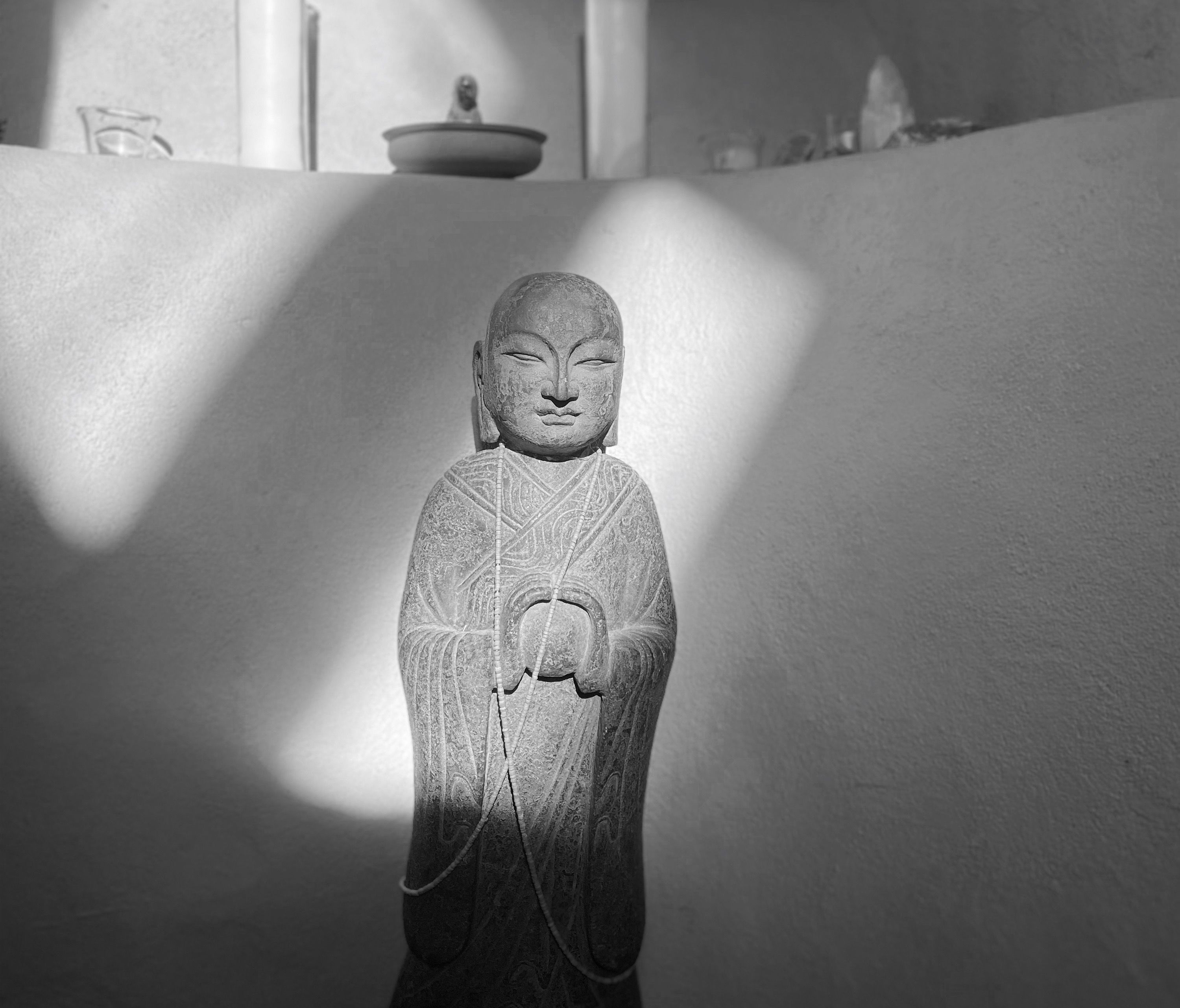
We’ve since added a Finnish sauna, and done some other modifications. We’re cozy, and yet this is not a walk in the park. There’s a certain amount of adaptation to a passive-solar home in the high desert. But it affords some of the most profoundly peaceful living I’ve yet experienced.
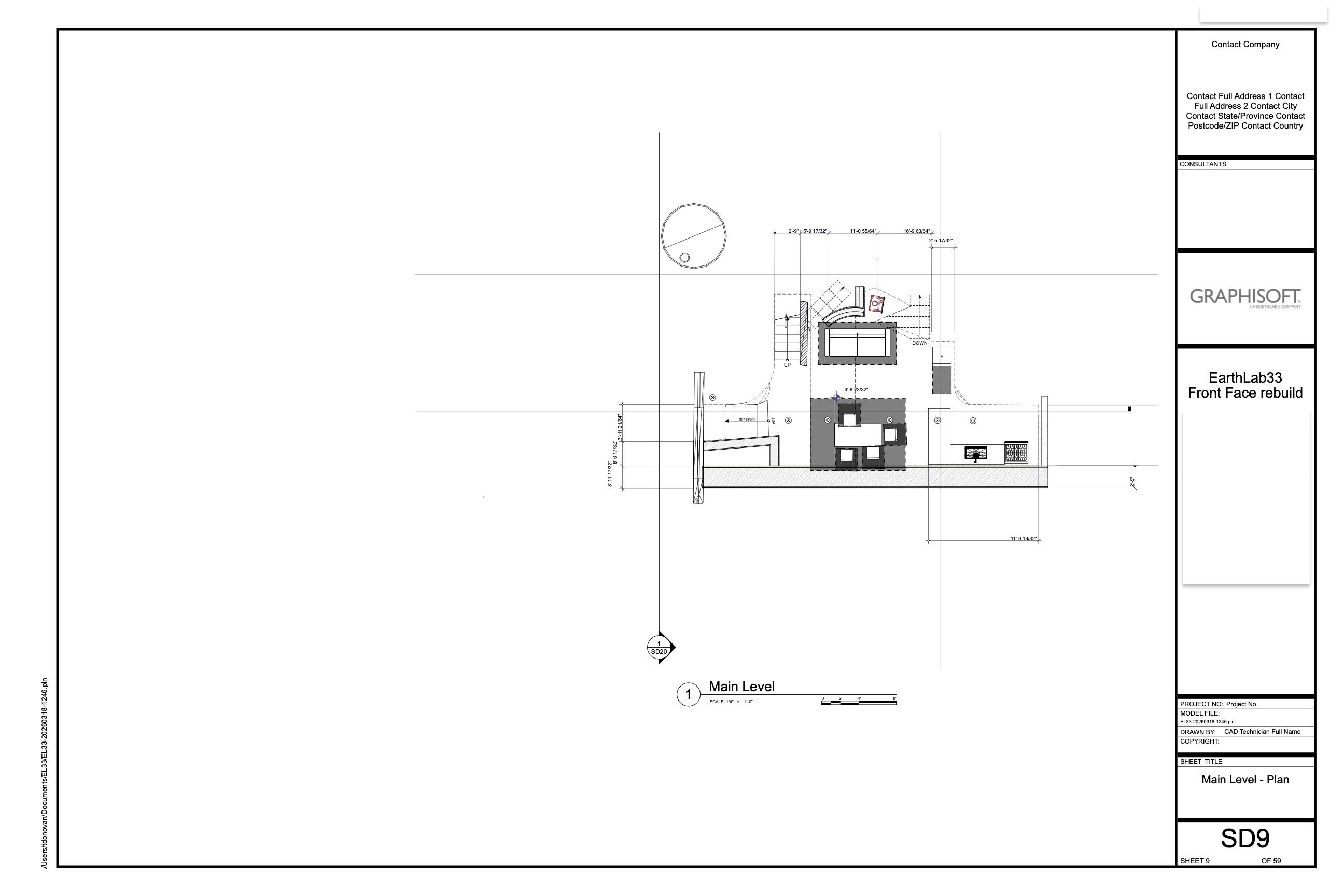
I’ve also dived into learning Revit, Archicad and Building Information Management (BIM) which is a kind of whole-systems architectural development platform for making the blueprints, 3D modeling, energy efficiency calculations, insolation profiles, site development, mechanical systems, and so forth. Classes at University of New Mexico, Taos, led primarily by the architect Mark Goldman - a 30-year resident and licensed architect in Taos, and proponent of earthen construction methods has afforded me the opportunity to get much more deeply knowledgeable about rammed-earth structures.
Thus Earhtlab33 continues to evolve as a platform for understanding earth-mass, solar-enabled dwellings